Throughout the mix
Fibers are distributed during mixing.
 IPMTECHNOLOGY
Tiny strands. Added while the concrete is mixed.
Enquire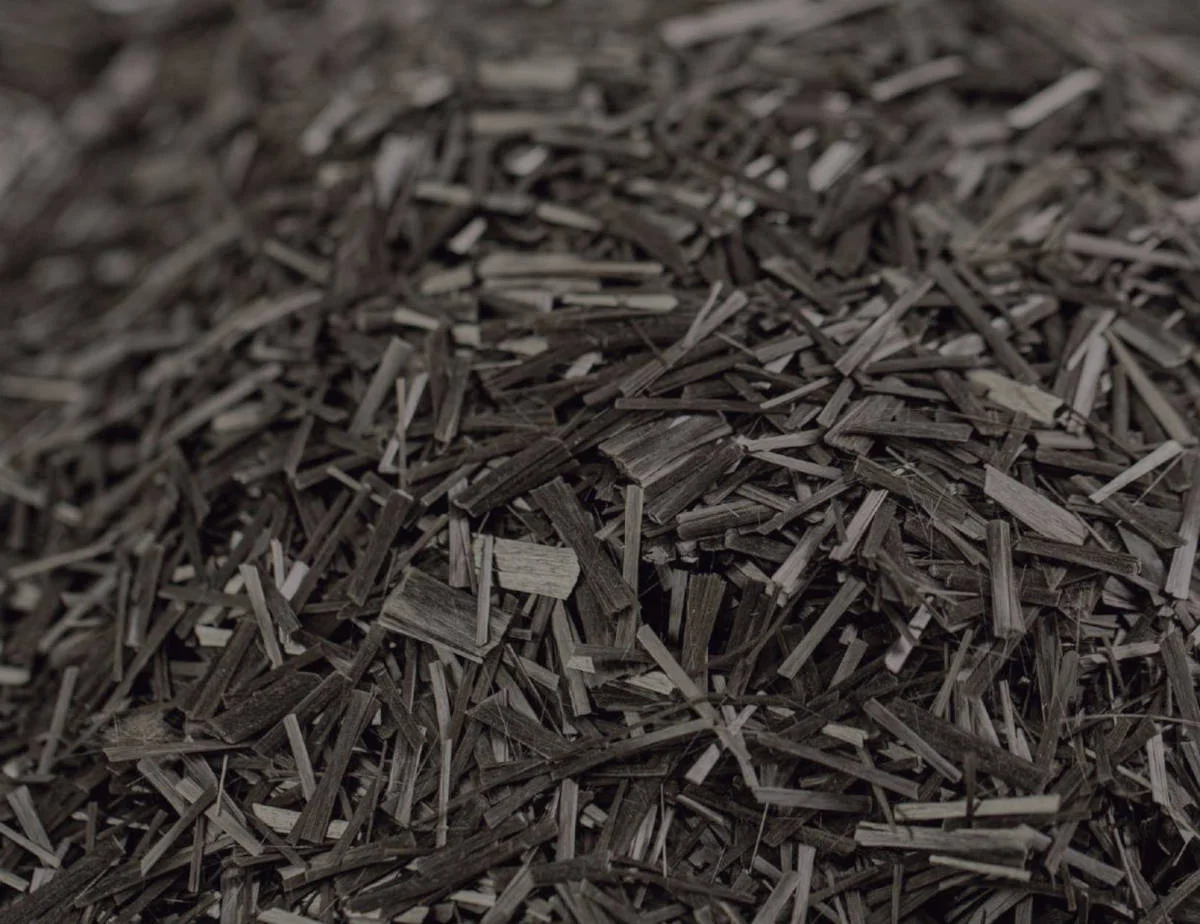
Fibers are distributed during mixing.
The effect depends on the mix and dosage.
Determined for your particular concrete.
Tanks, coastal structures and concrete exposed to moisture and salts. Mesh suitability for the environment is checked; fiber is evaluated for crack control.
Slabs, pavements and infrastructure elements. Mesh and fiber selection depends on loads, design and service conditions.
Floors, yards and parking areas exposed to impact and wear. Dispersed reinforcement requires a confirmed mix design and appropriate tests.
Savings go beyond the material price.
Fibers are added during mixing at the specified dosage.
Distributed through concrete. They do not automatically replace structural reinforcement.
We compare material, delivery and labor for your project. A lower total price is possible, but requires a design and a specific quotation.
Request a project cost comparison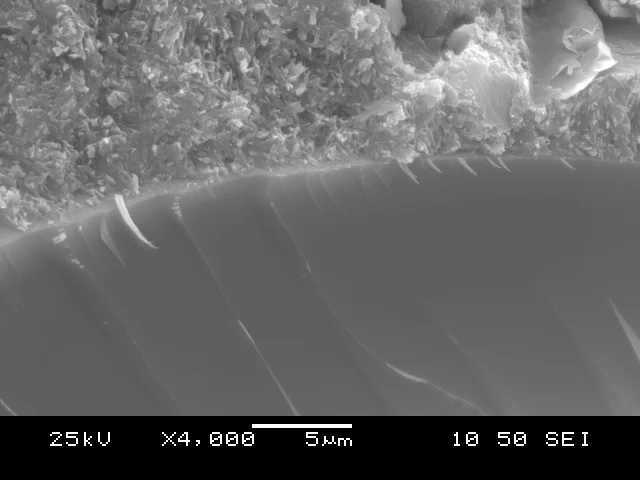
The photograph shows chopped basalt fibers from the Basalt International catalogue. The exact product supplied is confirmed by its specification. Basalt International · Read the source
Short basalt strands introduced into the concrete mix. Unlike mesh, they do not form a prefabricated panel or sit at one specified level within the element.
Distributed fibers can bridge small cracks and help limit their development. The effect depends on length, quantity, bond with the matrix and even distribution.
Pavements, industrial floors and slabs where crack control, flexure or impact matter. The application is evaluated with a project mix design and appropriate tests.
Agree the addition sequence and mixing time with the concrete technologist and product instructions. Check even distribution, workability and pumping suitability; fiber clumps are undesirable.
Dosage in kg/m³ is validated for the formulation and objective. Percentages in the supplied laboratory table are not a commercial dosage. The calculator below uses an already approved dosage.
Concrete type, application, total volume, crack or mechanical requirements and placing conditions. Include the dosage and fiber length requirements if a mix has been approved.
The source table concerns cement specimens with 10 mm long, 40 μm diameter fibers. The measured property is flexural tensile strength, not concrete compressive strength.
2%, 3% and 4% are experimental mass fractions as reported in the source. The percentage basis and full protocol are not specified. This is not a dosage recommendation in kg/m³.
Scroll horizontally to see all columns.
| Reinforcement by mass | 3 days MPa | 7 days MPa | 28 days MPa | 90 days MPa |
|---|---|---|---|---|
| Control without fiber | 6 | 7 | 12 | 18 |
| 2% | 8 | 10 | 19 | 28 |
| 3% | 9 | 11 | 20 | 27 |
| 4% | 9 | 10 | 24 | 29 |
Supplied material: “Concrete reinforced with basalt fibers” (Russian). Read the source
Fiber is measured in kilograms per cubic metre of concrete. The right amount depends on the mix and the result you need. Once it is confirmed, use the calculator to work out the total.
This calculates quantity, not a dosage. Experimental mass percentages are not automatically converted to kg/m³.
Tell us what you are building. We will discuss the material and quantity.
Application, quantity and timing help us prepare a relevant response.